In today’s fast-paced business world, staying connected with customers is non-negotiable. Enter phone based CRM — a game-changing solution that turns your smartphone into a powerhouse for customer relationship management. Simple, smart, and incredibly effective.
What Is a Phone Based CRM?

A phone based CRM is a customer relationship management system designed specifically to operate on mobile devices, primarily smartphones. Unlike traditional CRM platforms that require desktop access or complex setups, phone based CRM tools are built for mobility, enabling sales teams, customer support agents, and business owners to manage client interactions directly from their phones.




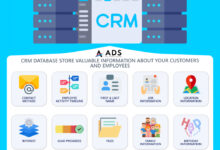
Core Definition and Functionality
At its core, a phone based CRM integrates calling, messaging, contact management, task tracking, and data synchronization into a single mobile application. This means users can log calls, send follow-up messages, update customer records, and even close deals — all without leaving their phone.
- Real-time access to customer data
- Seamless integration with native phone features like dialer and SMS
- Cloud-based syncing across devices
These systems often sync with larger CRM ecosystems like Salesforce or HubSpot, but they’re optimized for on-the-go use. For example, Zoho CRM’s mobile app allows users to make calls directly from the interface while automatically logging interaction history.
How It Differs From Traditional CRM Systems
Traditional CRM platforms were designed in an era when office work meant being tethered to a desk. Phone based CRM flips that model by prioritizing mobility, simplicity, and speed.
- Accessibility: Traditional CRMs often require login via browser or desktop software; phone based CRMs are accessible anytime, anywhere.
- User Interface: Mobile-first design ensures intuitive navigation with touch-friendly buttons and voice commands.
- Integration: Deep integration with phone hardware (e.g., call logs, calendar, camera) makes data capture effortless.
“The future of CRM isn’t on a desktop — it’s in your pocket.” — TechCrunch, 2023
Top 7 Benefits of Using a Phone Based CRM
Adopting a phone based CRM isn’t just about convenience — it’s about transforming how your team engages with customers. Here are seven powerful advantages that make this technology indispensable for modern businesses.
1. Real-Time Customer Access On the Go
Sales reps no longer need to return to the office to check a client’s history. With a phone based CRM, every piece of customer information — past purchases, communication logs, preferences — is available instantly.
- Field sales teams can pull up profiles during face-to-face meetings
- Customer service agents resolve issues faster with full context
- Managers monitor performance metrics in real time
For instance, a real estate agent showing homes can instantly access a buyer’s budget and preferred locations using their phone CRM, making the experience more personalized and efficient.
2. Enhanced Productivity Through Automation
One of the standout features of a phone based CRM is automation. Routine tasks like logging calls, scheduling follow-ups, and sending reminders are handled automatically.
- Automatic call logging reduces manual entry errors
- Smart reminders ensure no lead falls through the cracks
- AI-powered suggestions help prioritize high-value contacts
According to a Salesforce report, sales teams using mobile CRM automation save an average of 4.5 hours per week on administrative tasks.
3. Improved Sales Team Accountability
When every call, text, and meeting is tracked within the CRM, accountability becomes transparent. Managers can see who’s active, who’s closing deals, and where bottlenecks occur.
- Detailed activity reports show team performance
- GPS check-ins verify field visits
- Time-stamped logs prevent data manipulation
This level of transparency builds trust and encourages healthy competition among team members.
4. Faster Response Times to Leads
In sales, timing is everything. Research shows that the odds of qualifying a lead drop by 10x if the first response takes more than 5 minutes.
- Instant notifications alert reps to new leads
- One-touch dialing speeds up outreach
- Pre-loaded templates enable rapid replies
A phone based CRM ensures that leads are contacted immediately, increasing conversion rates significantly. A study by InsideSales.com found that companies responding within 5 minutes are 21x more likely to have meaningful conversations with decision-makers.
5. Seamless Integration With Communication Tools
Modern phone based CRM platforms integrate effortlessly with calling apps, SMS, email, WhatsApp, and even social media messaging.
- Unified inbox consolidates all customer messages
- Click-to-call functionality works across apps
- SMS and WhatsApp templates streamline outreach
For example, HubSpot’s mobile CRM allows users to send tracked emails and messages directly from their phone, with open and reply rates synced back to the contact profile.
6. Better Data Accuracy and Reduced Manual Entry
Manual data entry is not only time-consuming but also prone to errors. A phone based CRM minimizes this by capturing data automatically.
- Call recordings are transcribed and linked to contacts
- Calendar events sync to create tasks
- Photo uploads (e.g., business cards) are auto-processed via OCR
This leads to cleaner databases, more accurate reporting, and better decision-making across the organization.
7. Cost-Effective Solution for Small Businesses
Unlike enterprise-grade CRM systems that require hefty investments, many phone based CRM tools offer affordable or even free plans tailored for startups and SMEs.
- No need for expensive hardware or IT infrastructure
- Subscription models start as low as $10/user/month
- Scalable as your team grows
Tools like Pipedrive, Freshsales, and Zoho CRM offer robust mobile experiences without breaking the bank, making them ideal for lean teams.
How Phone Based CRM Transforms Sales Teams
Sales is one of the most dynamic and demanding roles in any organization. The ability to act quickly, stay organized, and maintain strong relationships is critical. A phone based CRM empowers sales professionals like never before.
Empowering Field Sales Representatives
Field sales reps spend most of their time outside the office — visiting clients, attending meetings, and networking. A phone based CRM gives them full control over their workflow without relying on Wi-Fi or laptops.
- Offline mode allows data entry even without internet
- GPS routing optimizes travel between appointments
- Digital business cards can be shared instantly
Imagine a pharmaceutical rep visiting doctors: with a phone based CRM, they can log samples distributed, record feedback, and schedule follow-ups — all during the visit.
Streamlining Lead Management
From lead capture to conversion, a phone based CRM creates a seamless pipeline. Leads collected via web forms, calls, or events are instantly pushed to the salesperson’s mobile device.
- Leads are assigned automatically based on territory or availability
- Status updates happen in real time
- Duplicate entries are prevented through smart deduplication
This eliminates the chaos of spreadsheets and sticky notes, ensuring no opportunity is lost due to poor organization.
Enabling Real-Time Collaboration
Modern phone based CRM platforms include collaboration features like internal notes, @mentions, and shared task lists.
- Team members can tag each other in customer records
- Managers provide feedback directly on activities
- Group chats keep everyone aligned on key accounts
This fosters a culture of teamwork and collective ownership of customer success.
Key Features to Look for in a Phone Based CRM
Not all phone based CRM solutions are created equal. To get the most value, look for platforms that offer these essential features.
Call Logging and Tracking
Automatic call logging is a cornerstone of any effective phone based CRM. Every incoming and outgoing call should be recorded, timestamped, and linked to the correct contact.
- Integration with native dialer for seamless calling
- Call duration and outcome tracking
- Option to attach notes or recordings
This eliminates the need to manually enter call details, saving time and improving accuracy.
Mobile-Friendly User Interface
A cluttered or complex interface defeats the purpose of mobility. The best phone based CRM apps are designed with touch navigation in mind.
- Large buttons and swipe gestures for easy use
- Dark mode for reduced eye strain
- Customizable dashboards for quick insights
Platforms like Pipedrive excel here, offering a clean, visual sales pipeline that’s easy to manage on a small screen.
Offline Access and Syncing
Internet connectivity isn’t always reliable, especially for field workers. A top-tier phone based CRM must allow offline access.
- Users can view and edit records without Wi-Fi
- Changes sync automatically once connection is restored
- Data encryption ensures security during transfer
This ensures uninterrupted productivity, whether you’re in a remote area or on a flight.
Top Phone Based CRM Platforms in 2024
With so many options available, choosing the right phone based CRM can be overwhelming. Here’s a breakdown of the top platforms that dominate the market in 2024.
1. HubSpot CRM (Mobile App)
HubSpot offers one of the most intuitive and feature-rich mobile CRM experiences. It’s free to start and scales with your business.
- Free plan includes calling, email tracking, and deal management
- Excellent mobile interface with push notifications
- Integrates with over 1,000 apps
Perfect for startups and small teams looking for a powerful yet easy-to-use phone based CRM.
2. Salesforce Mobile
Salesforce remains the gold standard for enterprise CRM, and its mobile app brings that power to your pocket.
- AI-powered insights via Einstein Analytics
- Customizable mobile layouts
- Robust security and admin controls
Best suited for large organizations with complex sales processes.
3. Zoho CRM Mobile
Zoho CRM is a favorite among SMEs for its affordability and depth of features.
- AI assistant (Zia) helps with forecasting and task automation
- Voice commands for hands-free operation
- Offline mode with auto-sync
Its phone based CRM functionality is particularly strong for teams that rely heavily on calling and field visits.
4. Freshsales (by Freshworks)
Freshsales stands out for its built-in phone system and conversational intelligence.
- Native telephony with call recording and transcription
- Sentiment analysis during calls
- Visual timeline of customer interactions
It’s ideal for sales teams that want a true all-in-one phone based CRM with embedded communication tools.
5. Pipedrive Mobile
Pipedrive is built for salespeople who want a visual, pipeline-driven approach.
- Drag-and-drop deal management on mobile
- Activity reminders and automation
- Integration with Gmail, Outlook, and cloud storage
Its mobile app is highly rated for usability and speed, making it a top choice for phone based CRM users.
How to Implement a Phone Based CRM in Your Business
Adopting a new system requires planning and execution. Here’s a step-by-step guide to successfully implement a phone based CRM in your organization.
Assess Your Team’s Needs
Before choosing a platform, identify what your team actually needs. Are they making hundreds of calls daily? Do they need GPS tracking? Is integration with email essential?
- Survey sales and support teams for pain points
- List must-have features vs. nice-to-haves
- Consider scalability for future growth
This ensures you select a phone based CRM that solves real problems.
Choose the Right Platform
Based on your assessment, shortlist 2–3 platforms and test them with a small group.
- Take advantage of free trials
- Test call logging, offline access, and syncing
- Evaluate customer support responsiveness
Involve end-users in the decision to increase adoption rates.
Train Your Team Effectively
Even the best phone based CRM will fail if users don’t know how to use it.
- Conduct hands-on training sessions
- Create quick-reference guides and video tutorials
- Appoint internal champions to assist others
Training should focus on daily workflows — not just features.
Monitor Usage and Optimize
After rollout, track adoption and gather feedback.
- Use built-in analytics to see who’s active
- Identify underused features and retrain if needed
- Adjust settings based on user input
Continuous improvement ensures long-term success.
Common Challenges and How to Overcome Them
While phone based CRM offers immense benefits, it’s not without challenges. Here’s how to tackle the most common issues.
Data Security and Privacy Concerns
Storing sensitive customer data on mobile devices raises valid security concerns.
- Choose platforms with end-to-end encryption
- Enforce strong password policies and two-factor authentication
- Enable remote wipe for lost or stolen devices
Compliance with GDPR, CCPA, or HIPAA is essential for regulated industries.
User Adoption Resistance
Some team members may resist switching from spreadsheets or old systems.
- Highlight time-saving benefits during training
- Show real examples of improved performance
- Offer incentives for consistent usage
Leadership buy-in and peer encouragement go a long way.
Integration with Existing Systems
A phone based CRM should work with your current tools — not replace them entirely.
- Verify API availability for custom integrations
- Use middleware like Zapier for automation
- Ensure compatibility with email, calendar, and marketing platforms
Seamless integration prevents data silos and workflow disruptions.
Future Trends in Phone Based CRM Technology
The evolution of mobile technology is reshaping the CRM landscape. Here are the trends that will define the next generation of phone based CRM.
AI-Powered Predictive Analytics
Artificial intelligence is moving beyond automation into prediction. Future phone based CRM systems will anticipate customer needs, suggest optimal calling times, and even draft messages.
- AI analyzes past interactions to predict deal closure probability
- Smart scheduling based on contact availability
- Real-time coaching during calls using voice analysis
Companies like Salesforce and Microsoft are already embedding these capabilities into their mobile apps.
Voice-Activated CRM Commands
As voice assistants improve, expect to see more voice-driven CRM interactions.
- “Log this call as a follow-up needed” — spoken during or after a call
- “Show me my next appointment” — without touching the screen
- “Create a task for John Doe” — via voice command
This hands-free operation will be a boon for field workers and drivers.
Augmented Reality (AR) Integration
While still emerging, AR could allow sales reps to overlay customer data during in-person meetings using smart glasses or phone cameras.
- Display purchase history when meeting a client
- Visualize product configurations in real time
- Access training guides during on-site service calls
Though futuristic, early pilots are already underway in industries like automotive and healthcare.
What is a phone based CRM?
A phone based CRM is a mobile-optimized customer relationship management system that allows users to manage contacts, track communications, log calls, and manage sales pipelines directly from their smartphones. It integrates with native phone features like dialer, SMS, and calendar for seamless operation.
How does a phone based CRM improve sales productivity?
It improves productivity by automating routine tasks like call logging, providing instant access to customer data, enabling faster response to leads, and offering real-time collaboration tools. Sales teams spend less time on admin and more time selling.
Can small businesses benefit from a phone based CRM?
Absolutely. Many phone based CRM platforms offer affordable or free plans tailored for small businesses. They eliminate the need for expensive hardware and provide scalable solutions that grow with the business.
Is data secure on a phone based CRM?
Yes, reputable phone based CRM providers use encryption, secure authentication, and compliance with data protection regulations (like GDPR) to safeguard information. However, organizations should also enforce strong security policies on employee devices.
Which CRM has the best mobile app?
HubSpot CRM, Salesforce Mobile, and Zoho CRM are widely regarded as having the best mobile experiences. The ideal choice depends on your business size, budget, and specific needs.
Phone based CRM is no longer a luxury — it’s a necessity for businesses that want to stay competitive in a mobile-first world. From boosting sales efficiency to enhancing customer relationships, the benefits are clear and measurable. As technology evolves, these systems will become even smarter, more intuitive, and deeply integrated into our daily workflows. The key is to choose the right platform, train your team well, and embrace the shift toward mobility. The future of customer management isn’t on a desktop — it’s in your hand.
Further Reading:
