Discover the game-changing cloud based CRM benefits that are transforming how businesses connect with customers, streamline operations, and scale efficiently—all from the digital cloud.
Cloud Based CRM Benefits: Revolutionizing Modern Business Operations
/GettyImages-482252-001-570a81d93df78c7d9edc0d78.jpg?w=1200)
The digital transformation wave has made cloud based CRM benefits more than just a tech trend—they’re now a business imperative. Companies across industries are shifting from legacy, on-premise systems to cloud-based Customer Relationship Management (CRM) platforms to stay agile, competitive, and customer-centric. Unlike traditional software that requires physical servers and complex installations, cloud CRM operates over the internet, offering real-time access, automatic updates, and seamless integration with other business tools.



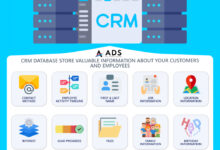
According to a report by Grand View Research, the global CRM market size was valued at USD 79.7 billion in 2023 and is expected to grow at a compound annual growth rate (CAGR) of 13.9% from 2024 to 2030. A significant portion of this growth is driven by the adoption of cloud-based solutions. The flexibility, scalability, and cost-efficiency of cloud CRM systems make them ideal for businesses of all sizes—from startups to multinational corporations.
But what exactly makes cloud CRM so powerful? Let’s dive into the core benefits that are reshaping customer engagement, sales efficiency, and operational intelligence.
What Is a Cloud-Based CRM?
A cloud-based CRM is a software solution hosted on remote servers and accessed via the internet. Users can manage customer data, track interactions, automate sales processes, and analyze performance metrics from any device with an internet connection. Unlike on-premise CRM systems, which require local installation and maintenance, cloud CRM is managed by the service provider, reducing the burden on internal IT teams.
Popular examples include Salesforce, HubSpot, Zoho CRM, and Microsoft Dynamics 365—all of which offer subscription-based models, regular feature updates, and robust security protocols.
How Cloud CRM Differs from On-Premise Systems
The key difference lies in deployment and maintenance. On-premise CRM requires businesses to purchase licenses, install software on local servers, and handle updates and backups manually. This often leads to high upfront costs, longer implementation times, and limited scalability.
In contrast, cloud based CRM benefits include instant deployment, lower initial investment, and automatic scalability. As Salesforce explains, cloud CRM enables businesses to “focus on customers, not servers.”
“The cloud is not just a place, it’s a promise—of agility, innovation, and continuous improvement.” — Marc Benioff, CEO of Salesforce
Cost Efficiency: One of the Top Cloud Based CRM Benefits
One of the most compelling cloud based CRM benefits is cost efficiency. Traditional CRM systems often come with hefty price tags—licensing fees, hardware purchases, IT staffing, and ongoing maintenance. These costs can be prohibitive, especially for small and medium-sized businesses (SMBs).
cloud based crm benefits – Cloud based crm benefits menjadi aspek penting yang dibahas di sini.
Cloud CRM operates on a subscription model, typically billed monthly or annually per user. This pay-as-you-go approach eliminates large capital expenditures and allows businesses to align software costs with their actual usage and growth.
Reduced Upfront Investment
With cloud CRM, there’s no need to buy servers, install databases, or hire specialized IT staff for setup. The provider handles infrastructure, security, and software deployment. This drastically reduces the initial financial barrier to entry.
For example, a startup can begin with a basic CRM plan for as low as $10–$25 per user per month and scale up as the team grows. This flexibility makes cloud CRM accessible to businesses with limited budgets.
Lower Maintenance and Operational Costs
Maintaining an on-premise CRM system requires continuous investment in server upkeep, software patches, data backups, and cybersecurity. These tasks demand skilled personnel and ongoing operational budgets.
In contrast, cloud CRM providers manage all backend operations. Updates are rolled out automatically, security is continuously monitored, and data is backed up in redundant locations. This reduces the need for in-house IT support and frees up resources for strategic initiatives.
- No need for physical server rooms
- Automatic software updates included
- Reduced dependency on internal IT staff
A study by Nucleus Research found that cloud CRM delivers an average return on investment (ROI) of $8.71 for every dollar spent—significantly higher than on-premise alternatives.
Scalability and Flexibility: Key Cloud Based CRM Benefits for Growing Businesses
As businesses grow, their CRM needs evolve. Cloud based CRM benefits shine in their ability to scale seamlessly with changing demands. Whether you’re adding new users, expanding into new markets, or integrating with additional tools, cloud CRM adapts without requiring major overhauls.
This scalability is particularly valuable for startups and fast-growing companies that need to respond quickly to market opportunities.
Easy User Management and Team Expansion
Adding or removing users in a cloud CRM system is as simple as a few clicks. Administrators can assign roles, set permissions, and onboard new team members in minutes—without disrupting existing workflows.
cloud based crm benefits – Cloud based crm benefits menjadi aspek penting yang dibahas di sini.
This agility supports remote work models, where teams may be distributed across different regions. Sales reps, customer support agents, and marketing teams can all access the same system from anywhere in the world.
Adaptability to Business Growth and Market Changes
Cloud CRM platforms offer modular features that can be enabled or disabled based on business needs. For instance, a company might start with basic contact management and later add marketing automation, AI-powered analytics, or e-commerce integration.
This modular approach ensures that businesses only pay for what they use while retaining the option to expand. As Zoho CRM highlights, “Cloud CRM grows with your business, not against it.”
- Instant access to new features via updates
- Support for multi-location and global teams
- Flexible pricing tiers based on functionality
“Scalability isn’t just about size—it’s about agility, responsiveness, and future-proofing your business.”
Real-Time Data Access and Collaboration
One of the standout cloud based CRM benefits is real-time data synchronization. In traditional systems, data updates might take hours or even days to propagate across departments. With cloud CRM, every interaction—whether it’s a sales call, email response, or support ticket—is instantly recorded and visible to authorized users.
This real-time visibility enhances collaboration, reduces duplication of effort, and ensures that everyone is working with the most up-to-date information.
Anywhere, Anytime Access
Cloud CRM platforms are accessible from any device with a web browser or mobile app—laptops, tablets, smartphones, and even smartwatches. This mobility empowers sales teams to update records while on the go, customer service agents to resolve issues remotely, and executives to monitor KPIs from their dashboards.
For example, a sales representative visiting a client can pull up their purchase history, past communications, and current deals—all in real time—without needing to return to the office.
Enhanced Team Collaboration Across Departments
Cloud CRM breaks down silos between sales, marketing, and customer service. When all teams share a unified platform, they gain a 360-degree view of the customer journey.
Marketing can see which leads are converting, sales can track customer feedback, and support can access previous interactions. This cross-functional visibility leads to more personalized customer experiences and faster resolution times.
cloud based crm benefits – Cloud based crm benefits menjadi aspek penting yang dibahas di sini.
- Shared customer profiles across teams
- Internal messaging and task assignment within CRM
- Real-time notifications for follow-ups and updates
According to a Gartner report, organizations using integrated CRM systems report a 34% improvement in customer satisfaction and a 27% increase in sales productivity.
Automatic Updates and Continuous Innovation
Another major advantage among cloud based CRM benefits is the delivery of automatic updates. Unlike on-premise systems that require manual patching and version upgrades, cloud CRM providers push updates seamlessly in the background.
This ensures that users always have access to the latest features, security enhancements, and performance improvements—without downtime or technical intervention.
No Downtime for Software Upgrades
Traditional CRM upgrades often require scheduled downtimes, during which the system is unavailable. This can disrupt sales cycles, delay customer service, and frustrate users.
Cloud CRM platforms use rolling updates and redundant server architectures to maintain uptime. Updates are applied incrementally, often without users even noticing. This continuous delivery model supports business continuity and user satisfaction.
Access to Cutting-Edge Features Like AI and Automation
Cloud CRM providers invest heavily in innovation. Features like artificial intelligence (AI), machine learning, predictive analytics, and chatbots are now standard in many platforms.
For instance, Salesforce Einstein uses AI to predict lead conversion rates, recommend next-best actions, and automate routine tasks. HubSpot’s automation workflows allow marketers to nurture leads without manual intervention.
These advanced capabilities would be prohibitively expensive to develop in-house but are included in cloud CRM subscriptions, democratizing access to enterprise-grade technology.
- AI-driven sales forecasting
- Automated email campaigns
- Intelligent lead scoring
“Innovation in the cloud happens at the speed of light—no waiting, no delays, just continuous improvement.”
Improved Data Security and Compliance
Contrary to common misconceptions, cloud based CRM benefits include superior data security compared to on-premise systems. Reputable cloud providers invest millions in cybersecurity infrastructure, far beyond what most individual businesses can afford.
cloud based crm benefits – Cloud based crm benefits menjadi aspek penting yang dibahas di sini.
They employ encryption, multi-factor authentication, intrusion detection systems, and regular security audits to protect customer data.
Enterprise-Grade Security Measures
Cloud CRM platforms use end-to-end encryption for data in transit and at rest. This means that even if data is intercepted, it cannot be read without decryption keys.
Providers like Microsoft Dynamics 365 and Salesforce comply with global security standards such as ISO 27001, SOC 1/2/3, and GDPR. They also offer tools for data masking, role-based access control, and audit trails.
Automatic Backups and Disaster Recovery
Data loss due to hardware failure, natural disasters, or cyberattacks is a major risk for on-premise systems. Cloud CRM mitigates this risk through automated, redundant backups stored in geographically dispersed data centers.
If a server fails in one location, traffic is automatically rerouted to another. This ensures high availability and business continuity, even in extreme scenarios.
- Daily automated backups
- Disaster recovery plans built-in
- 99.9% uptime SLAs (Service Level Agreements)
A 2023 IBM Cost of a Data Breach Report found that organizations using cloud-based security tools experienced breaches that were USD 1.76 million cheaper on average than those relying on on-premise solutions.
Seamless Integration with Other Business Tools
Modern businesses rely on a suite of tools—email, calendars, marketing automation, ERP, e-commerce platforms, and more. One of the most powerful cloud based CRM benefits is the ability to integrate seamlessly with these systems.
Through APIs (Application Programming Interfaces) and pre-built connectors, cloud CRM platforms can sync data across applications, eliminating manual data entry and reducing errors.
Integration with Email and Calendar Systems
Cloud CRM can sync with Gmail, Outlook, and other email clients to automatically log emails, track attachments, and schedule follow-ups. Calendar integration ensures that meetings, calls, and tasks are synchronized across devices.
cloud based crm benefits – Cloud based crm benefits menjadi aspek penting yang dibahas di sini.
For example, when a sales rep sends an email from Gmail, the CRM automatically records it as a customer interaction. When a meeting is scheduled in Outlook, it appears in the CRM timeline.
Connecting CRM with Marketing, Sales, and Support Platforms
Cloud CRM integrates with tools like Mailchimp, Slack, Shopify, QuickBooks, and Zendesk. This creates a unified ecosystem where data flows freely between departments.
Marketing teams can launch targeted campaigns based on CRM data, sales can track deal progress in real time, and support can access full customer histories. This integration leads to better coordination and faster decision-making.
- Sync customer data with e-commerce platforms
- Automate lead capture from web forms
- Trigger workflows across multiple apps
As noted by HubSpot, “The best CRM isn’t the one with the most features—it’s the one that connects all your tools in one place.”
Enhanced Customer Experience and Retention
At its core, CRM is about improving customer relationships. Among the most impactful cloud based CRM benefits is the ability to deliver personalized, timely, and consistent experiences across all touchpoints.
With a centralized database, businesses can understand customer behavior, anticipate needs, and proactively address issues—leading to higher satisfaction and loyalty.
360-Degree View of the Customer
Cloud CRM consolidates all customer interactions—calls, emails, purchases, support tickets, social media mentions—into a single profile. This holistic view enables teams to understand the full context of each relationship.
For instance, a customer service agent can see that a recent complaint follows a delayed shipment and an unresolved refund request. This context allows for empathetic and effective resolution.
Personalization at Scale
Using data from the CRM, businesses can personalize communications, offers, and recommendations. AI-powered tools can segment customers based on behavior, preferences, and lifecycle stage.
cloud based crm benefits – Cloud based crm benefits menjadi aspek penting yang dibahas di sini.
A retail company might send personalized product recommendations to frequent buyers, while a SaaS provider could offer onboarding tips to new users. This level of personalization increases engagement and conversion rates.
- Dynamic email content based on user behavior
- Targeted promotions for specific customer segments
- Automated birthday or anniversary messages
“Customers don’t expect perfection, but they do expect personalization and consistency.”
What are the main cloud based CRM benefits?
The main cloud based CRM benefits include cost efficiency, scalability, real-time data access, automatic updates, enhanced security, seamless integration with other tools, and improved customer experience. These advantages help businesses operate more efficiently, respond faster to market changes, and build stronger customer relationships.
Is cloud CRM secure for storing customer data?
Yes, cloud CRM is highly secure. Leading providers use advanced encryption, multi-factor authentication, regular security audits, and compliance with international standards like GDPR and ISO 27001. In many cases, cloud CRM is more secure than on-premise systems due to the provider’s dedicated security infrastructure.
Can small businesses benefit from cloud CRM?
Absolutely. Cloud based CRM benefits are especially valuable for small businesses, as they reduce upfront costs, eliminate the need for IT staff, and provide access to enterprise-grade tools. Platforms like HubSpot and Zoho CRM offer affordable plans tailored to SMBs.
How does cloud CRM improve team collaboration?
Cloud CRM improves collaboration by providing real-time access to customer data, enabling cross-departmental visibility, and supporting remote work. Teams can share notes, assign tasks, and track progress within a single platform, reducing silos and improving coordination.
cloud based crm benefits – Cloud based crm benefits menjadi aspek penting yang dibahas di sini.
What happens if the internet goes down?
While cloud CRM requires an internet connection, many platforms offer offline modes or mobile apps that sync data once connectivity is restored. Additionally, internet reliability has improved significantly, and most businesses now have redundant connections to minimize downtime.
Cloud based CRM benefits are no longer optional—they’re essential for any business aiming to thrive in a digital-first world. From slashing costs and boosting scalability to enhancing security and customer experience, cloud CRM empowers organizations to work smarter, faster, and more efficiently. As technology continues to evolve, the cloud will remain at the heart of customer-centric innovation. Whether you’re a startup or an enterprise, embracing cloud CRM is a strategic move toward long-term success.
Further Reading:
